
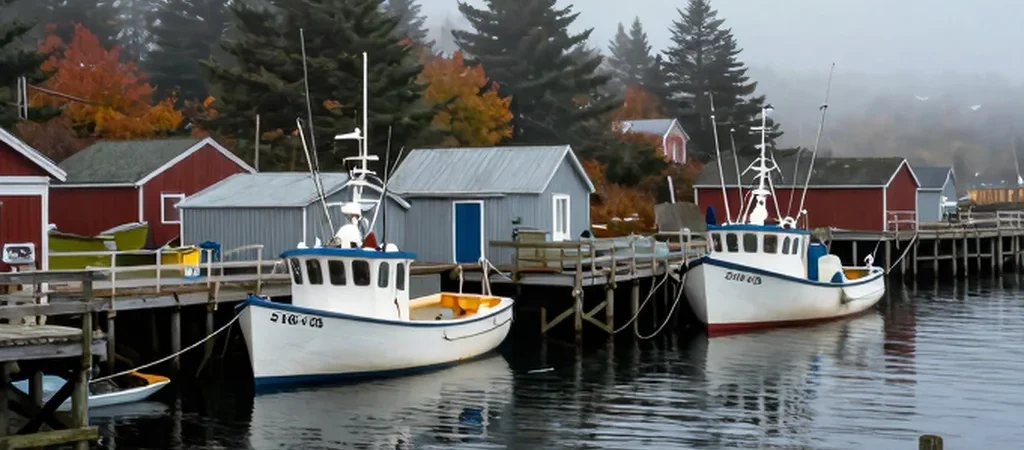
When summer crowds depart popular coastal destinations, maritime landscapes undergo a remarkable transformation. The crisp air of late autumn strips away tourist glitz, revealing the quiet cadence of working fishing harbors, coastal trails, and historic inns that operate at a human scale.
The Appeal of Solitary Maritime Landscapes
Traveling along the North Atlantic shoreline during shoulder seasons offers clear light, uncrowded village streets, and unhurried interactions with local craftspeople and harbor masters. Coastal walking paths that are congested in July become peaceful corridors for observation and quiet contemplation.
Navigating Regional Heritage and Seasonal Cuisine
Autumn harbors showcase regional food culture at its most authentic. Local taverns switch focus from quick turnarounds to slow-cooked seafood chowders, wood-fired hearths, and seasonal harvests from nearby coastal farms. Dining becomes an opportunity to engage directly with regional traditions.
Selecting accommodations with deep historical roots enhances the experience. Look for family-run coastal inns that feature working fireplaces, curated regional libraries, and views over fog-draped moorings.
Packing for Variable Coastal Weather
Off-season coastal travel requires thoughtful preparation for shifting weather patterns. Layering heavy wool knits, windproof outer shells, and sturdy waterproof footwear ensures comfort while exploring rocky headlands or enjoying long evening walks along empty harbors.